Creating a thriving mouth, mind, and body for yourself — and your family.
When everything in the orofacial complex is working as it should, you’ll notice a few key things:
The tongue rests on the roof of the mouth
The lips stay gently closed together
Breathing happens through the nose
Chewing and swallowing follow a natural, efficient pattern
When one or more of these functions are off, it’s called an oral myofunctional disorder (OMD). These patterns can begin even before birth and, if left unaddressed, often become more noticeable with age. The good news is that early intervention can make treatment more effective and even prevent future complications.
Signs and Symptoms of Myofunctional Disorders
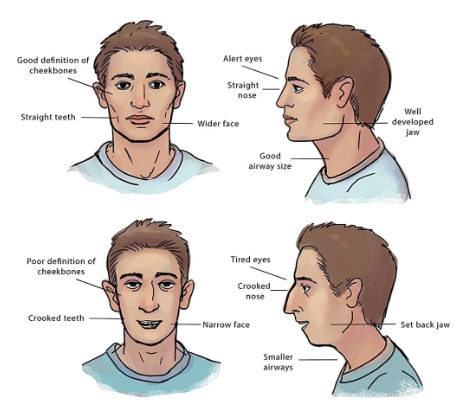
Myofunctional disorders don’t always look the same. Some people notice dental changes, while others experience breathing, posture, or even emotional challenges. Common symptoms include:
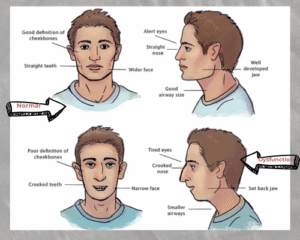
Forward head posture and open mouth posture
Dental crowding, malocclusion, gum recession, or missing teeth
Persistent gingivitis, periodontitis, tooth decay, mobility, or erosion
High, narrow palate or small maxilla
Low tongue posture, scalloped tongue, or facial asymmetry
Cheek biting, tight facial muscles, hypersensitive tissue, or strong gag reflex
TMJ/TMD pain, headaches, tension, or migraines
Snoring, sleep apnea, daytime fatigue, or difficulty swallowing
Orthodontic relapse, open bite, or deviated septum
Stress, anxiety, and overall reduced quality of life
Why This Matters
Many of these symptoms can be traced back to underlying dysfunction in the muscles and patterns of the mouth, face, and airway. While no single therapy solves every issue, myofunctional therapy often addresses problems at the root by retraining the muscles to function properly.
Correcting dysfunction can reduce strain on the teeth, gums, and jaw.
Improving breathing supports better sleep, energy, and focus.
Early intervention can prevent long-term damage to oral and overall health.
Moving Forward
If you notice some of these symptoms in yourself or your child, know that you’re not alone—and that there are solutions. Myofunctional therapy is designed to restore healthy habits, promote proper growth and development, and improve quality of life.
Sometimes therapy can correct the issue entirely. Other times, it prevents further damage and makes managing existing symptoms much easier. Either way, addressing the root cause early is one of the best gifts you can give your health—and your family’s.